Market Reports
Philadelphia Real Estate: Winter to Spring Transition
How Philly's housing market shifts from winter slowdown to spring activity — and what buyers and sellers should expect.
2 min read
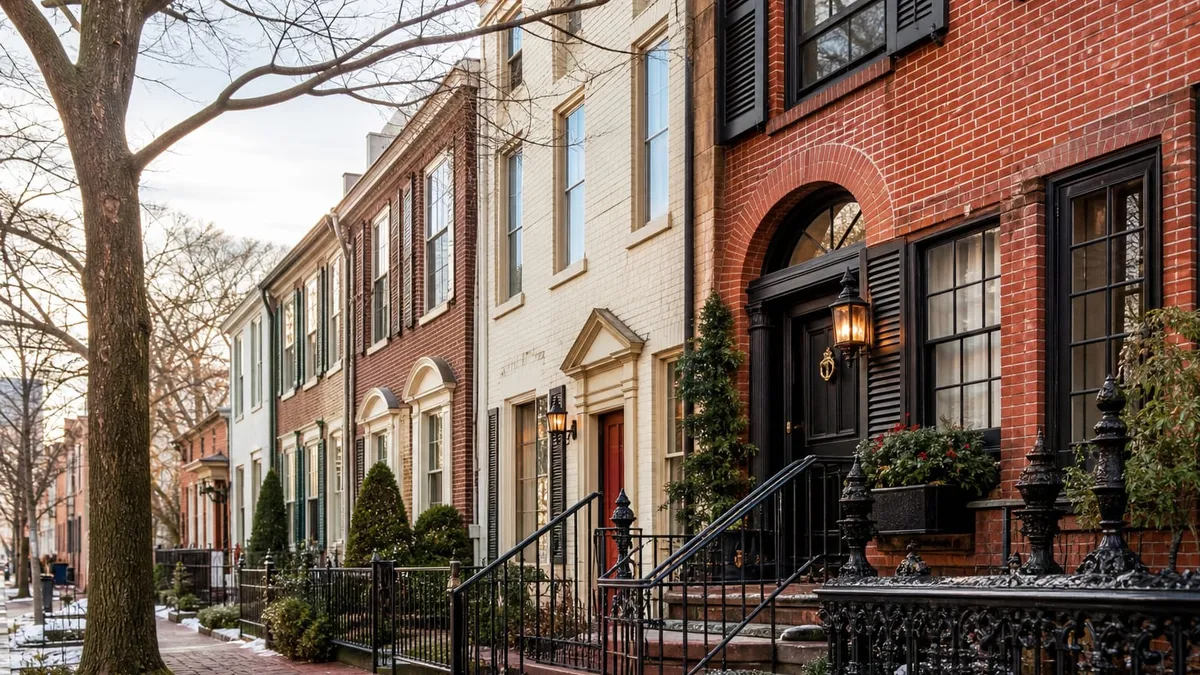
Seasonal Patterns in Philadelphia
Philadelphia’s residential market follows a predictable rhythm: winter months bring fewer showings and longer listing times, while spring unlocks pent-up demand from buyers who paused during the holidays. The transition from February to April typically shows a 25–35% increase in new contracts across Center City, Fishtown, and the Main Line suburbs.
Understanding this cycle helps sellers time their launch and helps buyers anticipate competition. Listings that hit the market in late March often benefit from maximum exposure before summer travel season reduces weekday showing availability.
Center City and Surrounding Neighborhoods
Rittenhouse and Fitler Square remain supply-constrained. Well-renovated two- and three-bedroom units with parking or private outdoor space move within two weeks when priced against recent closings — not aspirational peaks.
Fishtown and Northern Liberties continue to attract young professionals and remote workers priced out of New York. New construction competes with converted industrial lofts; buyers compare HOA fees, tax abatements, and walkability scores carefully.
University City benefits from institutional employment and student housing demand. Investors watch cap rates and rental ordinances; owner-occupants prioritize blocks with improving retail corridors.
What Sellers Should Do Now
Spring success starts in winter preparation:
- Complete pre-listing inspections to address surprises early.
- Stage primary living spaces — buyers decide emotionally in the first sixty seconds.
- Price using closed sales from the last ninety days, not active listings that may be stale.
- Coordinate photography and launch day to align with peak online traffic (Tuesday–Thursday mornings).
Overpricing into spring crowds backfires when buyers compare your home to freshly listed alternatives. A strategic price adjustment after thirty days costs more in perception than launching correctly.
Buyer Strategy for Spring 2026
Buyers should secure mortgage pre-approval and define non-negotiables before touring weekends begin. Multiple-offer situations return in popular school districts and walk-to-transit locations. Writing a personal letter is less influential than strong financing, flexible closing dates, and reasonable inspection scopes.
Philadelphia offers relative value compared to Northeast corridor peers. Buyers relocating from New York or Washington often stretch budget for square footage — but should still budget for transfer taxes, closing costs, and immediate maintenance reserves.
Looking Ahead
We expect steady appreciation in established neighborhoods with limited new land supply. Suburban inventory may expand as remote-work policies normalize. Whether you are buying your first rowhome or selling a longtime family property, local expertise remains essential — city block dynamics vary dramatically even within the same ZIP code.